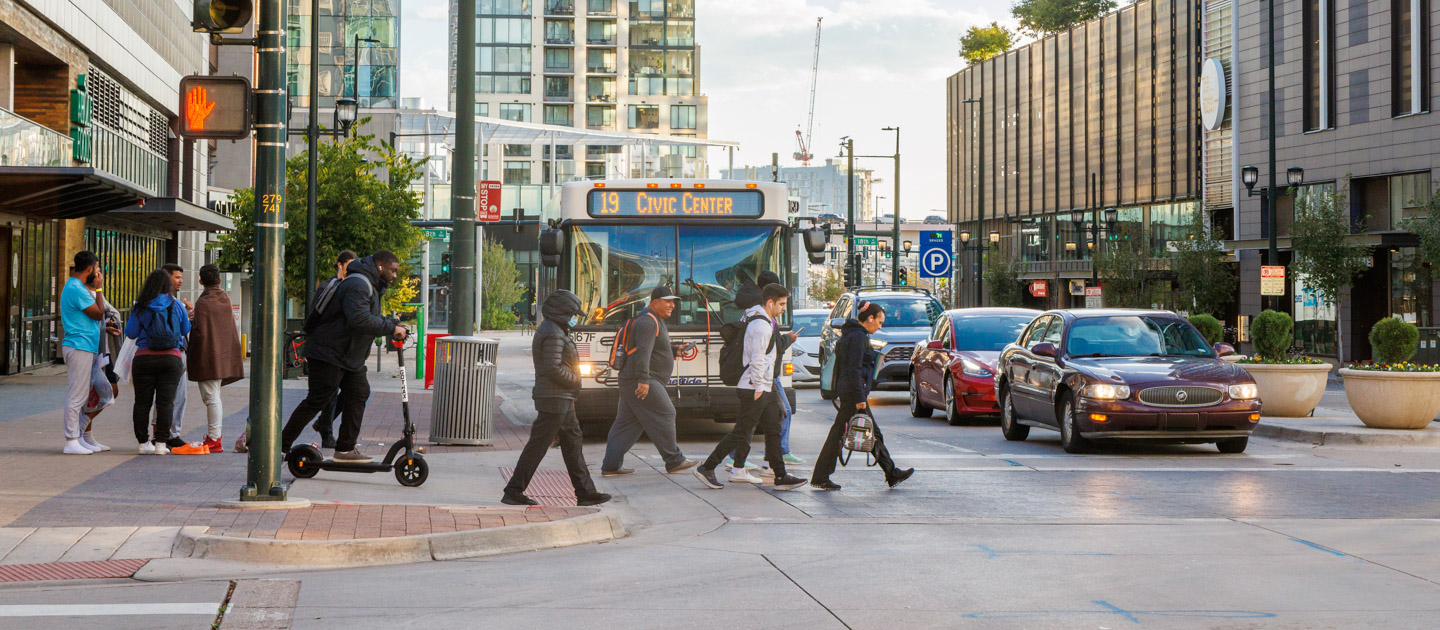
Providing Convenient Bus and Rail Service to the Denver Metro Area
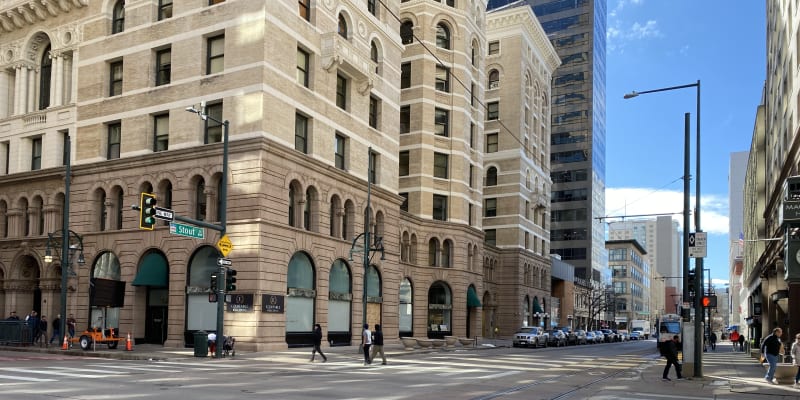
RTD’s downtown light rail reconstruction project
May 2024
After more than 30 years, RTD is investing in its oldest rail infrastructure to ensure the long-term integrity of the network. The near-term work will occur in four phases, with the first phase commencing in May 2024, focusing on five segments of track at street intersections in the Downtown Loop. Phases two through four of the approximately $152 million-dollar, full-depth reconstruction project will occur in 2025.
Learn MoreEvents

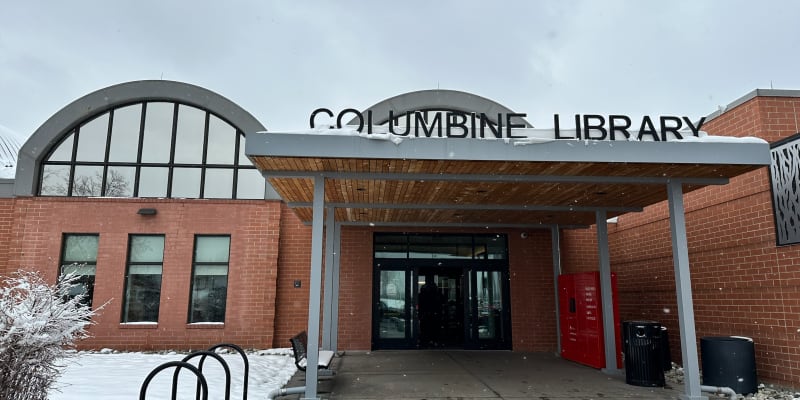

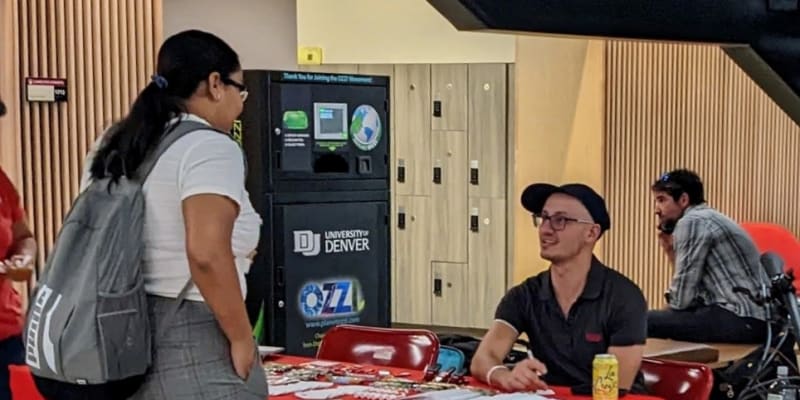
News Stop
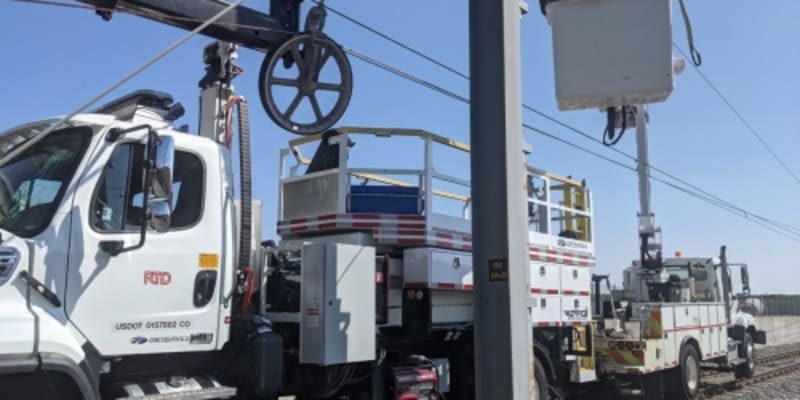
RTD to offer temporary bus shuttle service April 23-25 for E and H lines between I-25•Broadway and Colorado stations
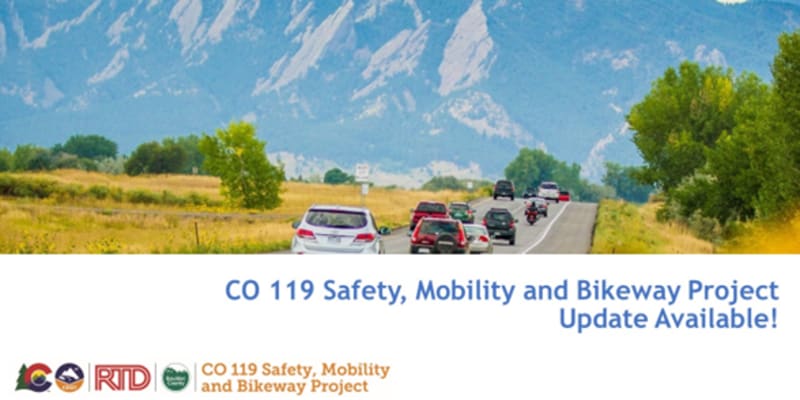
CO 119 Safety, Mobility and Bikeway Project Update

3 Things to Know 4.12.2024
1. $1 million worth of grant funding 2. Take a ride on the light rail simulator 3. Hear from the rail reconstruction experts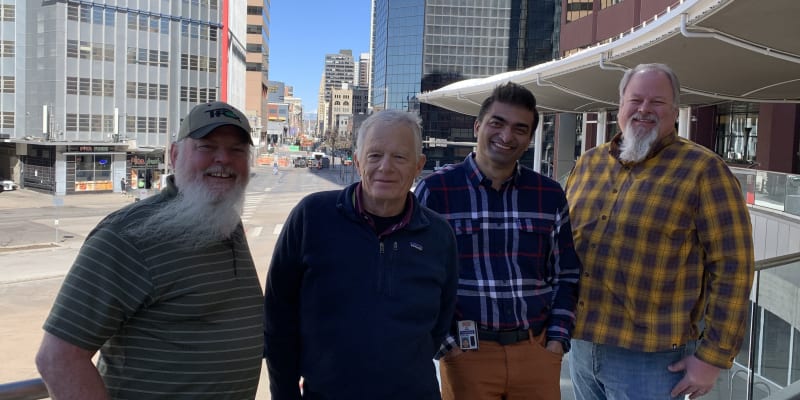
A conversation with Capital Programs about rail reconstruction: 'This project is necessary'
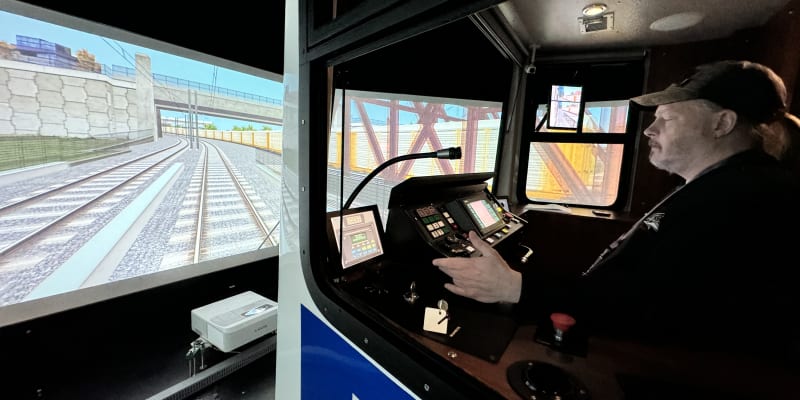
More than a game: Light rail simulator provides opportunities for operators to hone skills
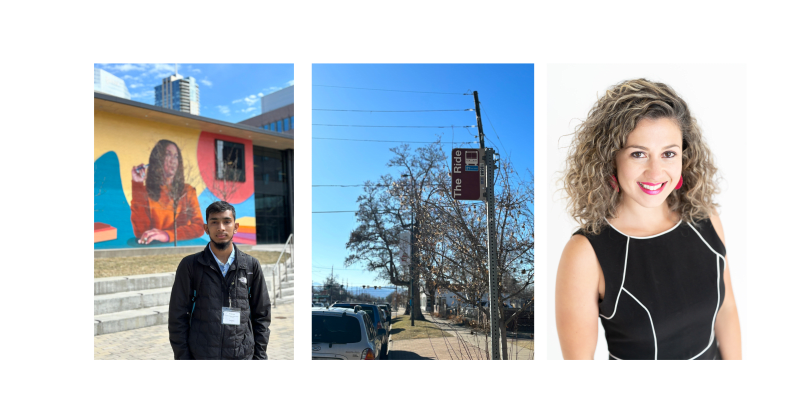
Beyond the borders: Public transportation from international students' perspectives
★ ★ ★ ★ ★ Hiring veterans like you.
Some positions eligible for $4,000 signing bonus.
RTD values the service and skills developed during your military experience. Qualities like determination, team building, leadership and confidence will allow you to make a difference in your community as a member of our team.
Apply Now